
Expert Engineer
Your oil construction project is one of the most crucial components of any building, providing protection, efficiency, and safety. Whether you're constructing a new facility or upgrading an existing one, here's a comprehensive guide to help you build a strong and reliable structure.
Assessing Your Needs: Before starting any oil construction project, assess your requirements and budget. Consider environmental conditions, operational needs, and structural design. Choose materials that meet durability and performance requirements.
Selecting the Right Materials: Various oil construction materials are available, each with its pros and cons. Common options include oil-resistant metals, composites, reinforced concrete, and protective coatings. Select materials that offer longevity, strength, and resistance to corrosion and wear.
Hiring a Professional Contractor: For a successful oil construction project, hire an experienced contractor familiar with oil-based structures. Skilled contractors ensure proper installation, adherence to safety standards, and regulatory compliance.
Proper Ventilation: Good ventilation is essential to prevent heat, moisture, and chemical buildup. Proper airflow improves operational safety, extends material lifespan, and enhances efficiency.
Reinforcing the Structure: Ensure that supporting frameworks, such as beams, trusses, and foundations, are sturdy and well-reinforced. This is essential to bear the weight of materials and withstand environmental and operational stresses.
Installing Protection Layers: Protective coatings, underlayments, and barriers act as additional layers of safety between materials and environmental hazards. Using high-quality products enhances durability and reduces maintenance.
Your roof is one of the most crucial components of your home, providing protection from the elements and ensuring the safety of your family. Whether you're constructing a new roof or considering a roof replacement, here's a comprehensive guide to help you build a strong and reliable roof.
Assessing Your Needs: Before starting any roof building project, assess your needs and budget. Consider the climate, weather patterns, and architectural style of your home. Choose roofing materials that complement your house's design and offer the required durability.
Selecting the Right Materials: There are various roofing materials available, each with its pros and cons. Common options include asphalt shingles, metal, tile, wood shakes, and slate. Choose materials that provide excellent weather resistance, longevity, and energy efficiency.
Hiring a Professional Roofing Contractor: For a successful roof building project, it's essential to hire a reputable roofing contractor with experience in the type of roof you desire. A skilled contractor ensures proper installation, adhering to building codes and safety standards.
Proper Roof Ventilation: Good ventilation is vital to prevent heat and moisture buildup in your attic space. Proper ventilation helps extend the life of your roof, prevents ice dams in winter, and reduces energy consumption.
Reinforcing the Roof Structure: Ensure that your roof's supporting structure, such as rafters and trusses, are sturdy and properly reinforced. This foundation is essential for carrying the weight of the roofing materials and withstanding external forces like wind and snow.
Installing Underlayment: The underlayment acts as a moisture barrier and an additional layer of protection between the roofing material and the roof deck. Consider using high-quality synthetic underlayment to enhance water resistance and overall durability.

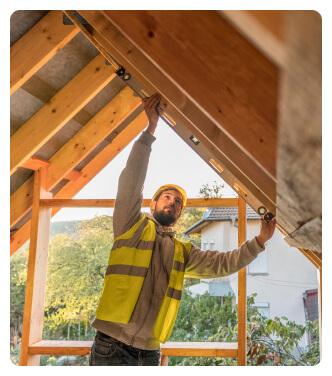
Our Service Benefits
Your roof is one of the most crucial components of your home, providing protection from the elements and ensuring the safety of your family.
- Business improvement
- Business improvement
- Network Administration
- Network Administration